
How An Interior Designer Uses Color Psychology
December 19, 2025
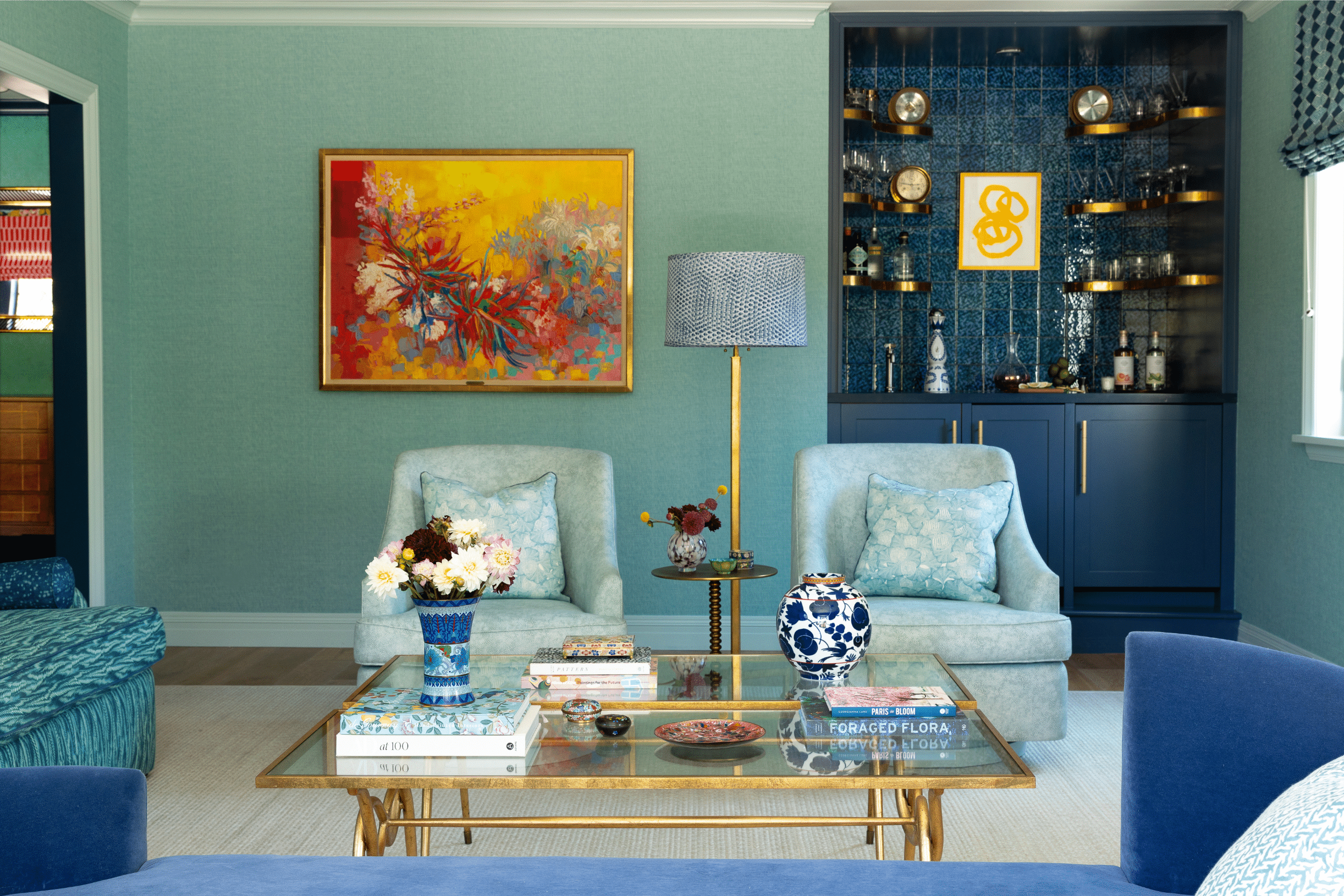 The Emotional Language of Color
Color is often the first thing we notice when we enter a space, yet its influence extends far beyond what the eye can immediately perceive. It settles quietly into the body, shaping emotion, energy, and mood before we are even aware of it. In interior design, color is not simply a stylistic choice; it is deeply personal. When selected with intention, it becomes a form of emotional expression, capable of transforming a space into something that feels nurturing, grounding, or quietly inspiring.
The connection between color and emotion is instinctual, yet rooted in psychology. Certain hues can calm the nervous system, while others awaken curiosity, warmth, or focus. As designers, our role is to honor this relationship by listening closely to our clients, to the architecture, and to the way a space wants to be experienced. The most compelling interiors are those that feel emotionally attuned, spaces that invite people to exhale, linger, and feel held.
Every thoughtful design begins with understanding how a space will be lived in and how it should feel throughout the day. A bedroom may call for softness and ease, while a kitchen may require clarity and vitality. From this emotional framework, color emerges as a guiding thread. A well-composed palette does more than unify a space visually; it sets the rhythm, influences movement, and creates a sense of continuity from room to room.
Over time, certain spaces have become closely associated with particular color stories. Spas often unfold in hushed blues, pale sages, and gentle neutrals; colors that evoke tranquility and renewal. These palettes encourage rest and restoration, allowing the mind to slow and the body to soften. In contrast, deeper hues such as olive, aubergine, or plum carry a sense of intimacy and depth. When used in dining rooms, libraries, or studies, they create spaces that feel enveloping and intentional, especially when paired with warm, ambient lighting that enhances their richness.
True elegance in color lies in restraint and nuance. Rather than relying on a single shade, depth is created by layering variations such as lighter and darker tones, warm and cool undertones, matte finishes alongside subtle sheen. Texture becomes equally important: soft linens, natural woods, stone, and plaster all interact with color differently, adding dimension and quiet complexity. Light further refines this experience, shifting color throughout the day and lending softness or clarity depending on its quality.
Equally essential is contrast. Spaces that rely too heavily on a single color family or material risk feeling static or incomplete. Thoughtfully introduced accents, whether through a complementary hue or an unexpected material, bring balance and warmth. These moments of contrast add character and prevent a space from feeling overly curated, allowing it to feel lived-in and soulful rather than styled.
Ultimately, color is experienced not only visually, but physiologically and emotionally. It influences how safe, energized, or at ease we feel within our surroundings. When approached with care and intuition, color transforms interior design into something far more meaningful than aesthetics alone. It becomes a language that speaks softly, yet powerfully into shaping homes into spaces that support how we want to live and, more importantly, how we want to feel.